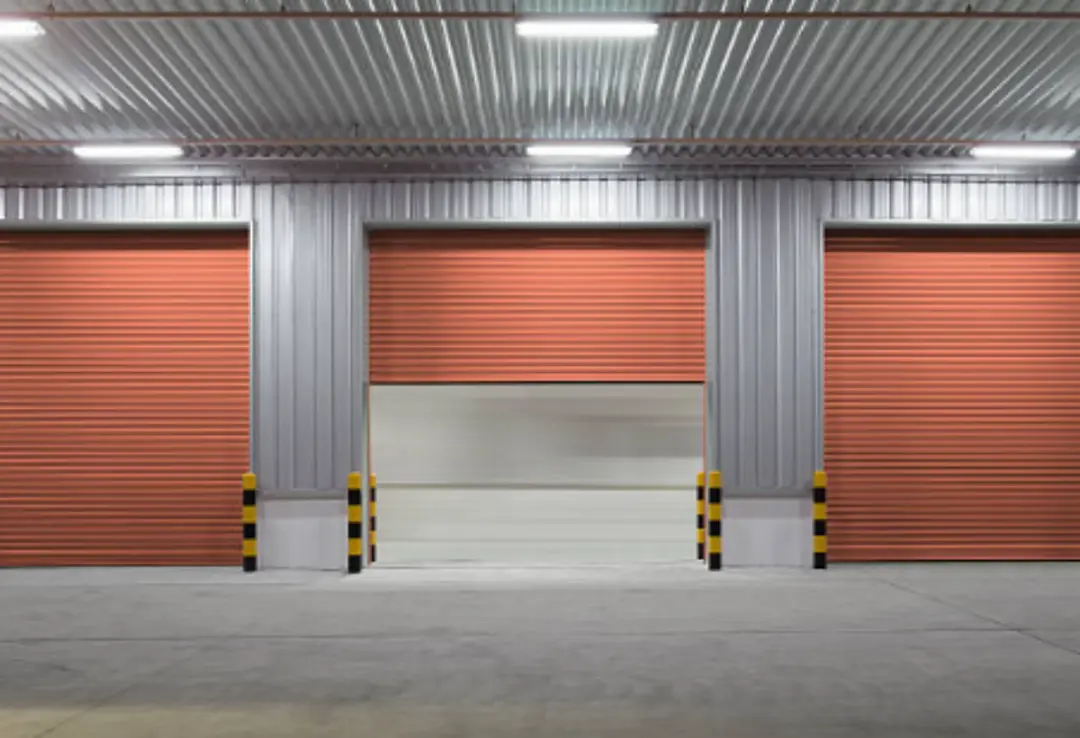
A well-chosen roller shutter can make a door or window harder to force open, protect glazing from damage and discourage opportunistic break-ins. Its effectiveness depends on the complete shutter: the curtain, guides, locks, fixings and the wall it is fitted to.
No shutter can guarantee that a property will never be entered. For shops, warehouses, garages and homes, the best choice starts with the opening you need to protect and the risks at that location.
How Do Roller Shutters Improve Security?
A roller shutter places another obstacle between an intruder and the door or window behind it. Getting past that barrier takes additional time and effort. For a shop with a large glazed frontage, an external shutter can also protect the glass from vandalism and damage while the business is closed.
On a garage or warehouse, a shutter can secure a wide opening without taking up much floor space when raised. The visible presence of a shutter may discourage someone looking for an easy target. It is sensible, however, to avoid treating any shutter as a guarantee against burglary.
An intruder may look for a weaker side door, an unprotected window or a poorly secured section of the shutter itself. The aim is to make the premises harder to enter as a whole.
That is why shutters work best as part of a wider security plan. Police advice for businesses also recommends securing service doors, maintaining alarms and CCTV, providing suitable lighting and moving valuable goods away from display windows overnight. These measures address different ways a property may be targeted.
How Safe Are Roller Shutters?
The curtain, the connected slats that lower across the opening, is only one part of the shutter. The side guides hold it in position, the bottom rail helps secure it when closed, and the locks or motor controls prevent unauthorised opening.
If those parts are weak or poorly fitted, the strength of the slats alone will not tell you much about the shutter’s resistance to attack. The structure around the shutter matters as well. Fixings need to suit the material they are attached to, whether that is brickwork, steelwork or another sound surface.
Gaps around the installation can leave parts easier to reach. A professional survey should examine the complete opening, including the condition of the surrounding wall and where the shutter can be securely fixed. For premises with a higher risk of forced entry, ask whether the complete shutter system has an independently tested security rating.
Products certified to a standard such as LPS 1175 have been tested against defined methods of attack. Check that any rating applies to the proposed product and installation arrangement; do not assume that every shutter made by a manufacturer has the same certification.
Is Steel or Aluminium Better For Security?
Steel shutters are commonly chosen for commercial and industrial openings where a robust barrier is needed. They can suit exposed shopfronts, loading areas and other places likely to experience frequent use or impact.
Steel is heavier than aluminium, so the size of the opening and the chosen method of operation need to be considered when specifying it.
Aluminium is lighter, which can make it a practical choice for some domestic windows, smaller shopfronts and frequently operated shutters. It can also be formed into different slat designs, including insulated options.
A lighter shutter should not automatically be dismissed as less secure: the design and tested performance of the complete product are more useful measures than material alone.
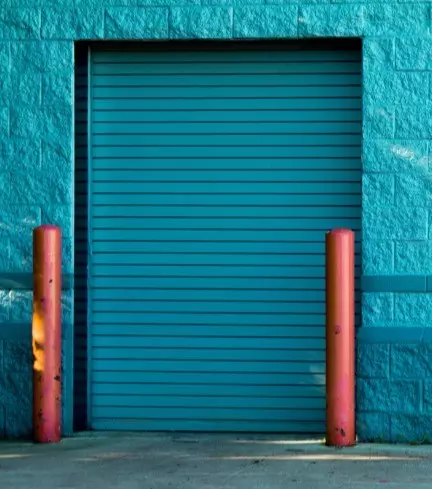
If you are comparing quotations, ask each supplier what protection the proposed shutter is designed to provide. A heavy steel curtain is not necessarily the best choice for every opening, just as an aluminium shutter should not be selected solely because it is easy to operate. The appropriate material depends on the risk, dimensions, fixing points, appearance and daily use of the premises.
Which Shutter Design Should You Choose?
A solid shutter fully covers the opening when closed. It provides privacy and can protect the glass or door behind it from direct access. This often suits storage areas, rear entrances and premises where an after-hours display is not important. A perforated shutter or open grille allows some visibility through the frontage.
For a shop, that may let passers-by see the display after closing and make the street feel more open. Open designs can be useful where ventilation is needed, too. The trade-off is that the openings may leave parts of the glazing behind more exposed, so the design should be chosen with the property’s particular risks in mind. You will also need to decide whether to fit the shutter inside or outside the opening. An external shutter can shield the glazing itself from damage.
An internal shutter sits behind the glass and may be preferable where the appearance of the frontage is a concern. Neither position is universally best. Consider what needs protecting, the glass, the contents, or both, along with access for operation, fixing points and any local planning requirements.
Are Roller Shutters Suitable For Homes As Well As Businesses?
They can be. On a home, shutters may be considered for accessible windows, patio doors, outbuildings or a garage containing tools and equipment. A domestic installation should balance security with appearance, daylight and ease of use. It is also essential to consider whether the opening forms part of an escape route from the building.
For businesses, the needs can vary considerably. A high-street retailer may want to protect display glass while keeping products visible after hours. A warehouse may be more concerned with securing a large loading entrance.
A workshop might need a shutter that opens several times a day without disrupting work. Starting with the way the opening is used usually leads to a better choice than selecting a shutter by appearance alone.

Manual or Electric: Does Operation Affect Security?
Both manual and electric shutters can provide security when correctly specified and fitted. A manual shutter may be straightforward for a smaller opening used occasionally. A powered shutter can be more convenient for a large or heavy curtain and for an entrance opened repeatedly during the working day.
Convenience has a security benefit: staff are more likely to close a shutter consistently when doing so is simple. Whatever the operating method, ask how the shutter is locked, who can operate it and what happens if a key is lost, a control fails or the power supply is interrupted. For an electric shutter, the installer should explain the appropriate safe operating and emergency procedures for that particular product.
Powered shutters also bring safety responsibilities. Moving doors and shutters can injure people if hazards are not properly addressed. The Health and Safety Executive advises that powered doors and related equipment be designed for their setting, installed by competent contractors, checked regularly and maintained so they remain safe to use.
What About Fire Safety and Planning Permission?
A security shutter should be planned around the building’s escape routes, not added without considering them. A shutter across an exit could prevent people from leaving quickly in an emergency. Government fire safety guidance for offices and shops says that roller shutters are not normally suitable as final exits. Have the arrangement reviewed as part of the property’s fire risk assessment, particularly if anyone may be inside while the shutter is closed.
A security shutter is also different from a fire rated shutter. A fire rated product is specified and tested for a particular fire protection purpose. Do not assume that a strong security shutter will provide fire resistance, or that a fire rated shutter has a particular burglary resistance rating. If you need both, raise both requirements at the design stage.
External shutters may also require planning approval, especially on a prominent shopfront, listed building or property in a conservation area. Requirements depend on the location and the proposed design. Check with the local planning authority before ordering if you are unsure; it is easier to settle the appearance and permitted layout before installation begins.
How Do You Keep a Roller Shutter Secure Over Time?
A shutter needs to close fully and lock as intended to do its job. Check for bent or damaged slats, loose guides, unusual noises and changes in how smoothly it travels. If it catches, closes unevenly or becomes difficult to lock, arrange an inspection. Continuing to force a damaged shutter may make the fault worse and could create a safety risk.
Regular servicing is particularly important for powered and frequently used shutters. An installer can check the moving parts, controls, safety features and fixings, then identify wear before the shutter becomes unreliable. Keep records of maintenance and repairs for business premises, and make sure the people who use the shutter know how to operate it safely.
Are you looking for security shutters and doors in Manchester? We offer commercial and domestic doors and shutters offering security for your home or business.